


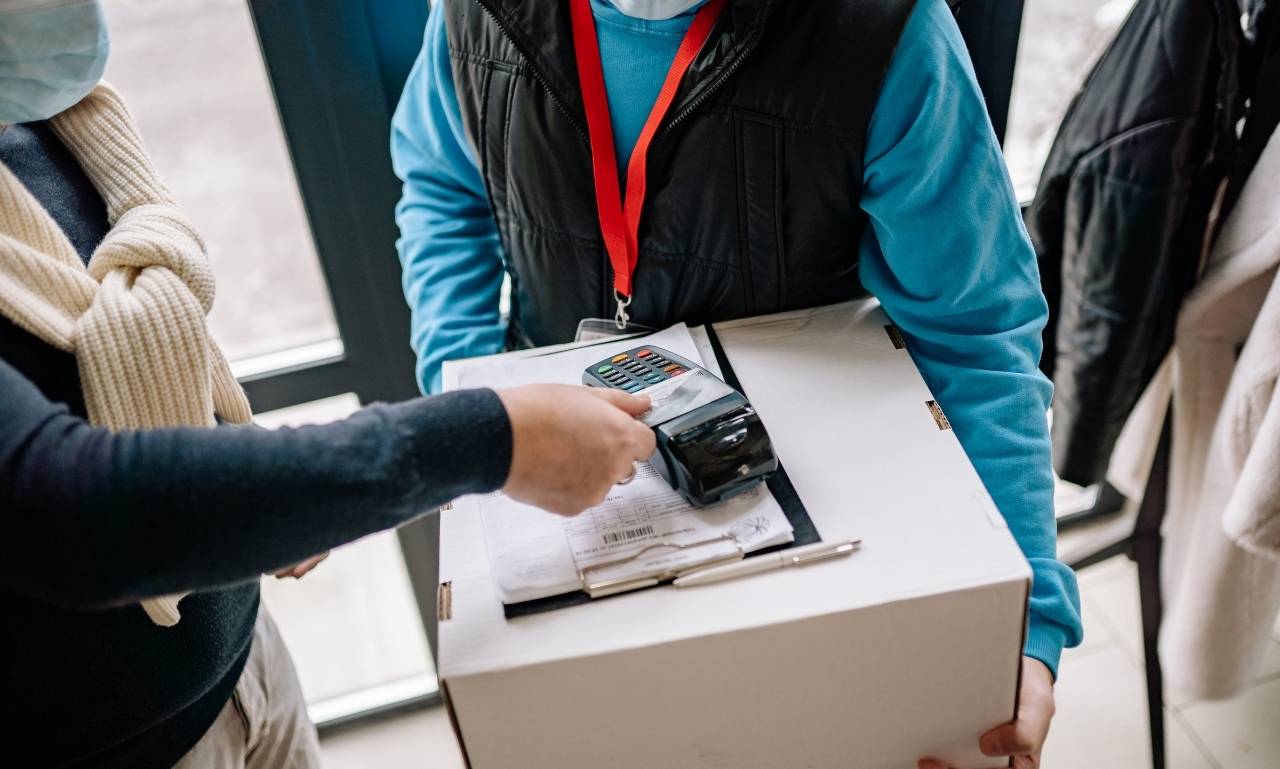
Every new print-on-demand seller eventually asks the same question: how long does it take to get your first POD sale? The answer varies widely, but most beginners see their first order anywhere from a few days to several months after launching. The timeline depends less on luck and more on the decisions made before and after a store goes live.
What Is the Average Time to Get Your First POD Sale?
Many newcomers expect sales to arrive immediately after publishing their first design. In reality, print-on-demand is rarely that fast.
What Most Beginners Experience
For sellers using platforms like Etsy, Amazon Merch, Redbubble, or Shopify, the first sale often arrives within two to eight weeks. Some achieve results in the first few days because they already have an audience or launch into a high-demand niche. Others wait several months while learning how search visibility, product selection, and customer behavior work.
The first sale is often the hardest because marketplaces have little data about new listings. Until products receive views, clicks, and engagement, they usually remain buried beneath established competitors.
Why Niche Selection Affects Sales Speed
The niche you choose can dramatically influence how quickly customers find your products.
Broad Niches vs Targeted Niches
Many beginners enter crowded markets such as general fitness, motivation, or pets. While demand exists, competition is fierce. Thousands of similar designs compete for attention.
A targeted niche often produces better results. Instead of selling shirts for dog lovers, a seller might focus on owners of a specific breed. Rather than targeting teachers generally, they may create products for kindergarten teachers or science instructors.
Specific audiences search with specific intent. That usually creates a shorter path to a first sale.
How Many Products Should You Upload?
One of the most common mistakes is launching with only a handful of designs.
Why Volume Matters
Every listing acts as another opportunity to appear in search results. A store with five products has limited exposure compared to one with fifty.
That does not mean uploading hundreds of rushed designs. Quality remains essential. However, most successful POD sellers build a meaningful catalog before expecting consistent sales.
A store with twenty to fifty well-researched listings generally has a stronger chance of generating early traction than a store with only a few products.
Does the Platform You Choose Matter?
Not all print-on-demand platforms operate the same way.
Comparing Popular POD Platforms
Etsy often delivers faster first sales because customers already visit the platform intending to buy. Strong search traffic can help new sellers gain visibility.
Amazon Merch provides access to a massive customer base, but competition is intense. New accounts may need time before products gain traction.
Shopify offers complete control, yet sellers must generate their own traffic. Without marketing efforts, a Shopify store can remain invisible regardless of product quality.
Marketplaces usually help beginners secure their first sale faster because the audience already exists.
Why Great Designs Sometimes Get No Sales
A visually appealing design does not guarantee success.
Visibility Matters More Than Most Beginners Realize
Customers cannot purchase products they never see. Many sellers focus heavily on design while neglecting search optimization.
Product titles, descriptions, tags, and keywords help marketplaces understand what a listing offers. Weak optimization often prevents products from appearing in relevant searches.
Even outstanding artwork can sit unnoticed if search engines cannot connect it with customer intent.
How Traffic Influences Your First POD Sale
Traffic and sales share a direct relationship.
The Numbers Behind First Sales
A typical ecommerce store converts between one and three percent of visitors. In practical terms, that means one sale may require anywhere from thirty to one hundred visitors, depending on product quality and audience targeting.
A listing receiving only five visits per month may take a long time to generate a sale. A listing attracting one hundred qualified visitors stands a much better chance.
This explains why successful POD sellers spend significant time driving traffic rather than simply uploading designs.
Can Social Media Speed Up the Process?

Many new sellers underestimate the value of external traffic.
Using Social Platforms Effectively
Pinterest remains one of the strongest platforms for print-on-demand products because users often browse with purchasing intent. TikTok can create sudden spikes in visibility when content resonates with viewers.
Instagram works well for visual products, while Facebook groups can connect sellers with highly targeted communities.
The key is consistency. A single post rarely changes results. Regular content helps build awareness and creates additional paths to product pages.
Common Reasons Sellers Wait Months for Their First Sale
Some stores struggle not because POD is unprofitable, but because preventable mistakes limit growth.
Mistakes That Delay Results
Poor keyword research frequently ranks near the top of the list. If products target terms nobody searches for, visibility remains low.
Pricing can also create problems. Products priced too high discourage purchases. Prices that are too low can signal poor quality.
Other common issues include weak mockups, unclear product descriptions, inconsistent branding, and selecting saturated niches without a unique angle.
Most stores that remain stuck at zero sales have one or more of these problems.
How to Increase Your Chances of Getting a First Sale Faster
Although there are no guarantees, certain practices consistently improve results.
Strategies That Actually Work
Start with niche research before creating designs. Look for active demand combined with manageable competition.
Create professional mockups that help shoppers visualize ownership. Write titles that reflect how real customers search.
Upload products consistently rather than waiting for perfection. Monitor which listings receive impressions and clicks, then improve underperforming products.
Most importantly, treat early sales as a learning process. Data gathered from unsuccessful listings often leads directly to successful ones.
Is Print-on-Demand Still Worth Starting Today?
Many beginners worry that the market has become too competitive.
The Reality of the POD Industry

Competition has certainly increased, but demand has also expanded. Consumers continue to purchase personalized and niche-focused products across multiple marketplaces.
Success no longer comes from uploading generic slogans and waiting for passive income. Sellers who understand customer interests, optimize listings, and build consistent traffic sources still find opportunities.
The market rewards research and execution more than timing.
What Should You Do If You Have No Sale After 30 Days?
Reaching the one-month mark without a sale can feel discouraging, but it is not necessarily a sign of failure.
A Practical Store Audit
Start by reviewing your analytics. Determine whether products receive impressions but fail to generate clicks, or receive clicks without generating purchases.
Low impressions usually point to keyword or niche issues. Low conversions often indicate pricing, design, or product-page problems.
Study successful competitors carefully. Examine their keywords, presentation style, and product selection. Small adjustments can produce meaningful improvements over time.
Many sellers receive their first sale shortly after making strategic changes rather than abandoning the business altogether.
Conclusion
So, how long does it take to get your first POD sale? For most beginners, the answer falls somewhere between a few weeks and a few months. The timeline depends on niche selection, product volume, traffic generation, search optimization, and overall store quality.
The sellers who reach their first sale fastest usually approach print-on-demand as a business rather than a lottery ticket. They research markets, publish consistently, improve their listings, and learn from customer behavior. While the first sale often requires patience, the lessons gained during that period create the foundation for future growth.
Also Read: Is Print on Demand Worth It If You Can’t Draw?
FAQs
Yes. Sellers with strong niches, existing audiences, or highly optimized listings sometimes make sales within days of launching.
Many experienced sellers recommend at least twenty to fifty quality listings before judging a store’s potential.
For many beginners, Etsy provides one of the quickest paths because it already attracts buyers actively searching for products.
This often indicates issues with pricing, product presentation, design appeal, or audience targeting rather than traffic volume.
