


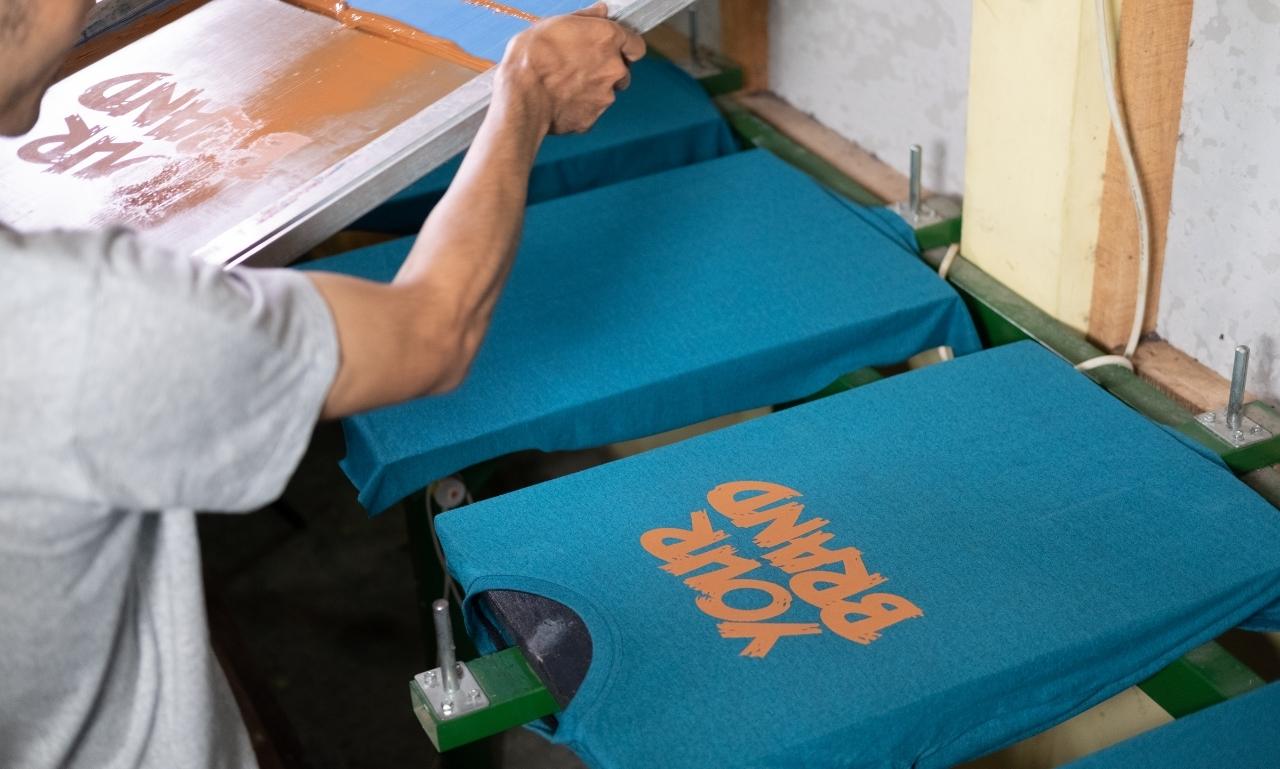
skills Many people are attracted to print on demand because it removes the need for inventory, manufacturing, and large startup costs. Yet one question keeps appearing among beginners: can you start print on demand with no design skills? The short answer is yes. However, success depends on understanding what really drives sales and how modern tools have changed the industry.
Can You Start Print-on-Demand With No Design Skills?
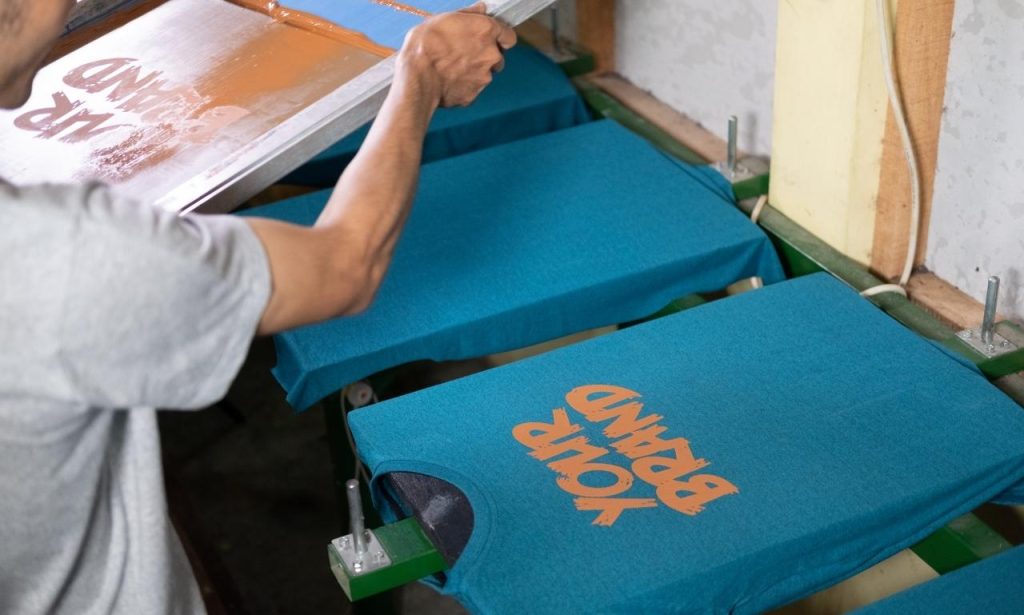
The belief that every successful print-on-demand seller is a talented graphic designer is outdated. While design can help, it is no longer a requirement.
Many top-selling products feature simple text, basic typography, or straightforward graphics. In many cases, the winning factor is not artistic talent but the ability to identify a specific audience and create products that connect with their interests.
A shirt that says “Retired and Loving It” may outperform an elaborate illustration because it speaks directly to a target buyer. Customers often purchase products because of the message, humor, identity, or emotion behind them.
This shift has created opportunities for entrepreneurs who have strong research and marketing skills but little experience with design software.
Why Market Research Often Matters More
The most profitable print-on-demand sellers spend considerable time researching trends and audiences. They look for communities with shared interests, hobbies, professions, or lifestyles.
A simple design aimed at dog owners, teachers, nurses, or golfers can outperform a visually impressive design aimed at everyone. Understanding customers usually creates more value than creating complex artwork.
How Print on Demand Actually Works
Before launching a store, it helps to understand the business model.
Print on demand allows products to be printed only after a customer places an order. A third-party supplier handles production, packaging, and shipping.
The seller focuses on creating listings, attracting customers, and building a brand.
This process removes many of the traditional risks associated with ecommerce. There is no need to purchase inventory in advance or store products in a warehouse.
What Happens After a Sale?
The process is surprisingly simple:
- A customer places an order.
- The order is sent automatically to the supplier.
- The supplier prints the design.
- The product is shipped directly to the customer.
- The seller keeps the profit margin.
Because fulfillment is automated, many beginners find print on demand easier to enter than other online business models.
The Best Tools for Non-Designers
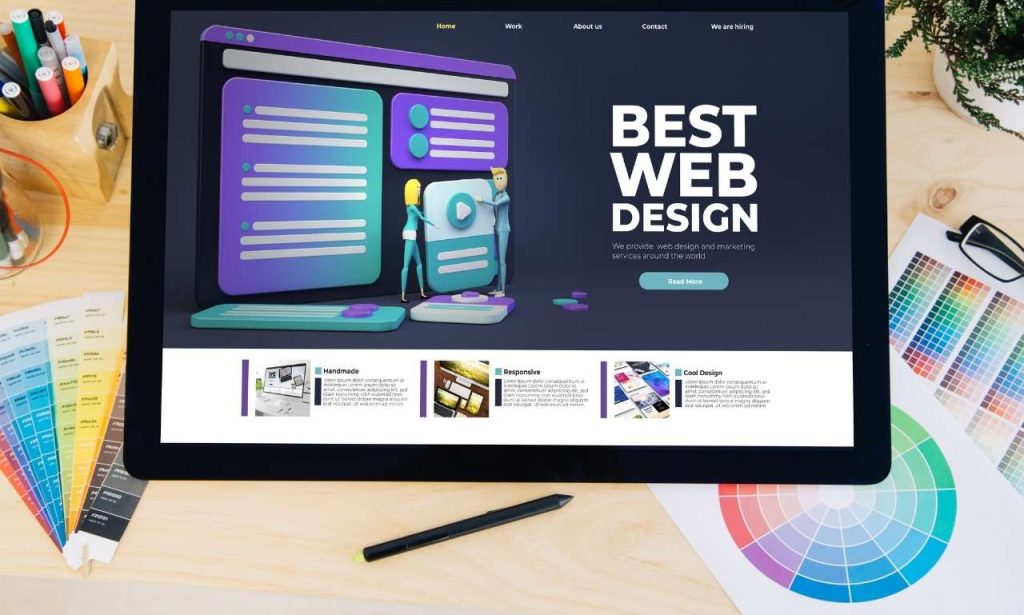
Technology has dramatically lowered the barrier to entry.
A decade ago, creating professional-looking designs required advanced software knowledge. Today, beginners have access to tools that simplify nearly every step.
Canva Makes Design Accessible
Canva has become one of the most popular tools among print-on-demand sellers.
Its drag-and-drop interface allows users to create designs using templates, fonts, icons, and layouts without technical expertise. Even complete beginners can produce clean, professional designs within hours.
AI Design Tools Are Changing the Industry
Artificial intelligence has introduced new possibilities.
Tools such as Midjourney, Adobe Firefly, Ideogram, and DALL-E can generate artwork from text prompts. This allows entrepreneurs to create unique visuals without traditional illustration skills.
The key is learning how to guide the software effectively rather than learning how to draw.
What Products Are Easiest to Sell Without Design Skills?
Not every product requires artistic creativity.
Some of the best-performing products rely on simple concepts rather than detailed artwork.
Text-Based Apparel
Typography designs remain extremely popular.
Motivational quotes, funny sayings, niche jokes, and profession-related slogans often generate strong sales. A clean font and strong message can be enough.
Mugs and Tote Bags
These products work particularly well with simple designs.
Customers often prefer readable messages and practical designs over complicated artwork.
Niche-Specific Gifts
Products aimed at specific audiences frequently outperform general products.
A mug designed for teachers or a shirt designed for fishing enthusiasts has a clear target market and stronger purchase intent.
Choosing the Right Niche Without Design Experience
One of the biggest mistakes beginners make is trying to sell to everyone.
Successful stores usually focus on a specific niche before expanding.
A niche gives direction to product creation, marketing, and customer targeting.
How to Find Profitable Niches
Start by examining communities with strong identities and passions.
Examples include:
- Pet owners
- Fitness enthusiasts
- Nurses
- Teachers
- Gardeners
- Gamers
- Parents
- Outdoor adventurers
These audiences actively purchase products that reflect their interests.
Research platforms such as Etsy, Amazon, Pinterest, and social media groups to identify demand.
How Much Does It Cost to Start Print on Demand?
One reason print on demand attracts beginners is its affordability.
Many platforms allow sellers to start with very little money.
Starting With Almost Nothing
Marketplaces like Redbubble and TeePublic allow users to upload designs without monthly fees.
This creates a low-risk environment for testing products.
Investing for Faster Growth
Entrepreneurs who want more control often choose Shopify combined with suppliers such as Printify or Printful.
In this case, costs may include:
- Ecommerce platform subscription
- Domain name
- Design tools
- Advertising budget
A small budget of $100 to $300 is often enough to begin testing products seriously.
Common Mistakes New Sellers Make
The print-on-demand industry looks simple from the outside. In reality, many stores fail because of avoidable mistakes.
Understanding these mistakes can save both time and money.
Ignoring Trademark Rules
Many beginners create products based on copyrighted movies, celebrities, brands, or slogans.
This can result in listings being removed or stores being suspended.
Always verify that phrases and artwork can be used commercially.
Creating Products Without Research
Uploading random designs rarely produces results.
Successful products usually come from careful market research rather than guesswork.
Expecting Instant Success
Some new sellers expect sales within days.
Building a profitable store often requires months of testing, optimization, and learning.
Can AI Replace Design Skills in Print on Demand?
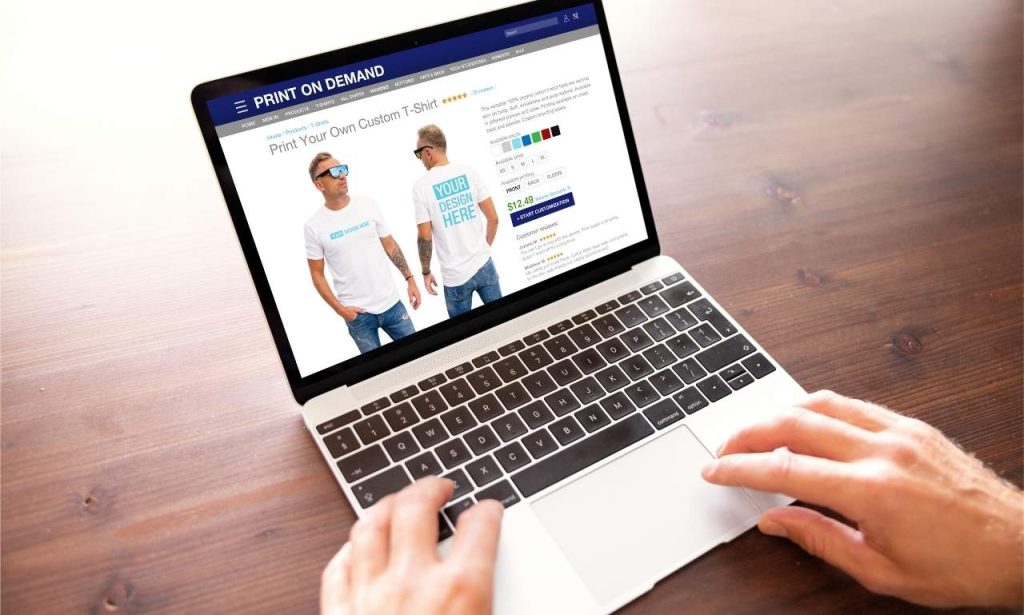
Artificial intelligence has become one of the most discussed topics in ecommerce.
For beginners, AI offers opportunities that were unavailable just a few years ago.
Where AI Helps Most
AI can assist with:
- Generating artwork
- Creating product mockups
- Writing descriptions
- Brainstorming ideas
- Researching trends
These capabilities reduce the need for advanced technical skills.
Where Human Judgment Still Matters
AI cannot replace business decisions.
Choosing a niche, understanding customers, pricing products, and building a brand still require human insight.
The most successful sellers combine AI tools with market knowledge rather than relying on automation alone.
Etsy vs Shopify for Beginners
New sellers often struggle to choose between Etsy and Shopify.
Each platform offers different advantages.
Why Many Beginners Start With Etsy
Etsy already attracts millions of buyers searching for handmade and personalized products.
This built-in audience makes it easier to gain visibility.
Many beginners achieve their first sales faster on Etsy than on a standalone website.
Why Shopify Offers More Control
Shopify allows sellers to build their own brand and customer experience.
While attracting traffic requires more effort, long-term growth potential is often greater.
Many experienced entrepreneurs eventually operate both platforms simultaneously.
How Long Does It Take to Make Your First Sale?
This question appears frequently among aspiring sellers.
The answer varies based on niche selection, product quality, competition, and marketing.
Some stores generate sales within days. Others may require several months.
Most successful sellers view the early phase as a testing period rather than a profit phase.
What Improves Your Chances?
Stores tend to perform better when they:
- Focus on a specific niche
- Publish multiple products
- Use strong product titles
- Create quality mockups
- Optimize listings for search
Consistency usually produces better results than constantly chasing new trends.
Is Print on Demand Still Worth Starting Today?
Competition has increased significantly over the past few years. Yet demand has also grown.
Consumers continue to seek personalized products that reflect their interests, identities, and lifestyles.
The opportunity remains attractive because entry barriers are relatively low compared to many businesses.
Success no longer belongs exclusively to designers. It belongs to entrepreneurs who understand audiences, solve customer needs, and build products people genuinely want to buy.
Someone with average design skills and strong business instincts often performs better than someone with excellent design skills and no marketing strategy.
Conclusion
Modern tools, AI platforms, templates, and freelance marketplaces have made design more accessible than ever. The bigger challenge is identifying profitable niches, understanding customers, and marketing products effectively.
Many successful print-on-demand businesses are built on simple ideas rather than complex artwork. If you focus on research, learn the fundamentals of ecommerce, and use the tools available today, a lack of design experience should not prevent you from getting started.
Also Read: How Many Designs Should You Upload Before Expecting Sales?
FAQs
No. Basic design knowledge can help, but many successful sellers use templates, AI tools, or simple text-based designs.
Yes. Canva is widely used for creating print-on-demand designs, especially by beginners.
Yes. Platforms like Redbubble and TeePublic allow you to upload designs without upfront costs.
It can be profitable, but success depends on niche selection, product quality, marketing, and consistency rather than design skills alone.
