


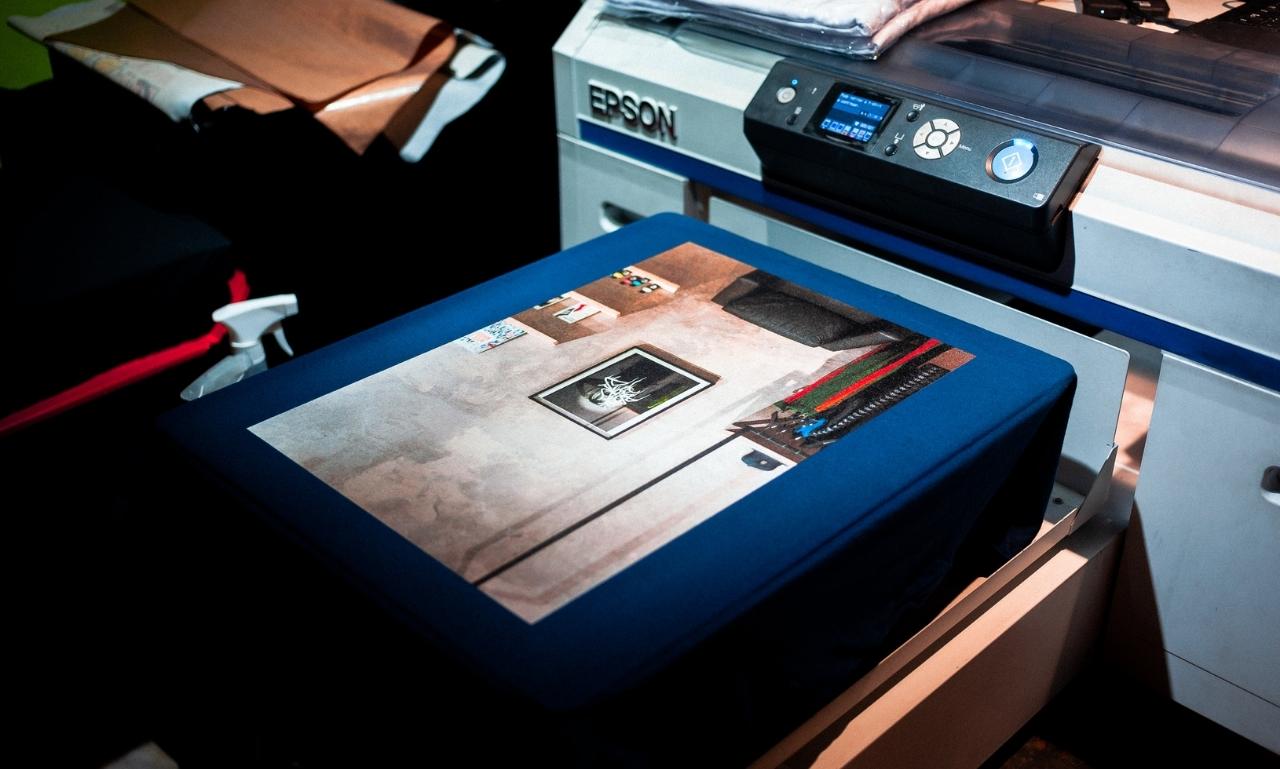
Creative technology has lowered the barrier to making visually striking designs in ways that seemed impossible just a few years ago. A single prompt can now produce artwork in minutes, but turning those images into products that customers can legally and confidently buy involves far more than pressing a “generate” button. Understanding: Can AI-generated art be used for print on demand? means looking beyond the artwork itself to licensing, originality, marketplace rules, and long-term business strategy.
Why AI Has Changed the Print-on-Demand Landscape
Print-on-demand has always rewarded speed. Sellers who identify trends early and create attractive products quickly often gain an advantage before competitors enter the same niche. Artificial intelligence dramatically accelerates the creative side of that equation.
Instead of hiring an illustrator for every concept, entrepreneurs can explore dozens of visual directions within an afternoon. They can test different artistic styles, color palettes, compositions, and typography before deciding which concept deserves further refinement.
This speed has encouraged thousands of new sellers to experiment with personalized merchandise, wall art, apparel, notebooks, mugs, phone cases, and home décor.
Yet faster creation also means greater responsibility. Producing artwork instantly does not automatically grant unrestricted rights to sell it commercially. Every image exists within a framework of platform policies, intellectual property law, and licensing agreements that creators must understand before launching products.
The Short Answer Is Usually Yes—With Important Conditions
The simple answer is that AI-created artwork can often be sold through print-on-demand services.
The more accurate answer is that permission depends on several factors working together.
Commercial use generally depends on:
- the license provided by the AI image generator
- whether the artwork copies protected material
- the policies of the marketplace selling the products
- the amount of originality in the finished design
- compliance with trademarks, publicity rights, and copyright laws
Different AI platforms grant different commercial rights. Some allow unrestricted commercial use under paid subscriptions. Others impose limitations or reserve certain rights.
That means creators cannot assume every generated image carries identical legal permissions simply because it came from an AI tool.
Reading the terms of service may feel tedious, but it often determines whether a design is suitable for commercial merchandise.
Licensing Matters More Than the Image Itself
Many beginners focus entirely on whether an image looks appealing. Experienced sellers pay equal attention to where that image came from.
Every AI platform establishes rules governing ownership and commercial use. Those rules may change over time, making it important to review current licensing rather than relying on outdated advice found in forums or social media posts.
Some platforms grant users broad commercial rights for generated content.
Others distinguish between:
- free accounts
- paid subscriptions
- enterprise users
- API-generated content
Certain services also prohibit using their outputs to compete directly with the platform or impose restrictions on particular industries.
For print-on-demand sellers, the safest practice is maintaining records of when artwork was created, which platform generated it, and what licensing terms applied at that time. Documentation becomes valuable if questions arise months or years later.
Copyright Questions Are More Complicated Than Many Expect
Copyright remains one of the most discussed issues surrounding AI-generated images.
Traditional copyright protects original works created by human authors. When artificial intelligence becomes heavily involved, determining ownership becomes more complicated because laws continue evolving in many countries.
In some jurisdictions, fully machine-generated images may receive different treatment than works involving substantial human creativity.
That distinction matters less for many print-on-demand businesses than people assume.
Even if copyright protection for an AI-generated image is uncertain, sellers still need to avoid infringing on someone else’s protected work.
An image inspired by a famous cartoon character, movie franchise, luxury brand, sports team, or recognizable artist’s signature style may expose sellers to legal problems regardless of how it was generated.
The important question often shifts from “Who owns this AI image?” to “Does this image violate someone else’s intellectual property?”
Those are very different legal issues.
Marketplace Rules Can Be Just as Important as the Law
Legal compliance does not necessarily guarantee acceptance on every print-on-demand platform.
Major marketplaces establish their own content standards, often exceeding minimum legal requirements.
Some marketplaces closely review AI-generated submissions for originality.
Others prohibit misleading listings that imply artwork was hand-painted or traditionally illustrated when it was not.
Certain platforms may reject artwork that appears overly generic, contains visual artifacts, or resembles mass-produced stock imagery.
Platforms may also remove listings involving:
- celebrity likenesses
- trademarked logos
- copyrighted fictional characters
- recognizable brands
- public figures without authorization
Marketplace policies also evolve frequently as AI technology changes.
A seller who successfully uploaded AI artwork last year should not assume identical submissions remain acceptable today.
Reviewing seller guidelines periodically is becoming part of responsible print-on-demand management rather than an occasional administrative task.
Originality Still Determines Long-Term Success

Artificial intelligence can generate attractive images almost instantly. That convenience has also flooded marketplaces with visually similar products.
Consumers browsing hundreds of listings quickly notice repetitive fantasy animals, watercolor flowers, vintage sunsets, and motivational typography.
Standing out increasingly requires treating AI as a creative assistant rather than a finished designer.
Successful sellers often modify generated artwork through additional editing.
This may include:
Refining the Design
Adjusting composition, correcting proportions, improving color balance, cleaning backgrounds, and enhancing typography can transform a generic output into something more distinctive.
Small improvements frequently separate professional-looking products from amateur ones.
Combining Multiple Creative Sources
Many creators merge several AI-generated concepts with their own illustrations, photography, textures, vector elements, or hand lettering.
That hybrid approach often produces more original merchandise while reflecting the creator’s own artistic judgment.
Designing Around Customer Needs
Rather than selling random attractive images, experienced print-on-demand businesses solve specific customer preferences.
A camping enthusiast, new parent, nurse, gardener, chess player, or marathon runner often values thoughtful design that reflects their interests more than artwork created solely because it looks impressive.
AI can accelerate visual production, but understanding audiences remains a distinctly human advantage.
Quality Control Cannot Be Automated Completely
Early AI image generators frequently produced obvious mistakes. While image quality has improved dramatically, careful inspection remains essential before printing physical products.
Small flaws become much more noticeable on merchandise than on a computer monitor.
Common issues include distorted hands, inconsistent anatomy, unreadable text, asymmetrical objects, unrealistic shadows, duplicated elements, and blurred details.
Print quality introduces additional considerations.
Large posters, canvas prints, blankets, and apparel often require higher resolutions than social media graphics.
Upscaling software can help increase image dimensions, but enlarging a poorly generated image rarely restores missing detail.
Professional sellers usually inspect artwork at full size before uploading products, checking every corner for imperfections that customers would immediately notice after delivery.
Ethical Questions Are Becoming Part of Brand Identity
Technical legality does not always answer broader questions about customer expectations.
Some shoppers enthusiastically embrace AI-assisted creativity.
Others prefer supporting human artists or want transparency about how products were designed.
Businesses increasingly face decisions about disclosure.
Some openly describe their creative process, explaining that artificial intelligence assisted with concept development while final designs involved human editing and refinement.
Others simply present finished products without emphasizing production methods.
Neither approach automatically guarantees customer trust.
Consistency, honesty, and high-quality products generally matter more than making AI the centerpiece of a brand.
Businesses that focus entirely on automation sometimes struggle to build lasting customer loyalty because buyers often connect more strongly with authentic stories than with production technology.
Managing Legal Risk Before Publishing Products
Most intellectual property disputes could be reduced through careful review before a product ever reaches customers.
Responsible sellers develop habits that minimize unnecessary risk.
One useful practice involves researching existing trademarks before using slogans, brand names, or popular phrases.
Another involves avoiding prompts that explicitly request copyrighted characters, famous logos, celebrity likenesses, or living artists’ distinctive styles.
Keeping prompt histories, editing records, licensing information, and original project files creates useful documentation if ownership questions arise later.
Many experienced print-on-demand entrepreneurs also conduct reverse image searches to identify artwork that appears unusually similar to existing images online.
While similarity does not automatically indicate infringement, unexpected matches deserve further investigation before commercial publication.
Legal caution rarely slows a business significantly, but responding to takedown notices after hundreds of products are already listed can consume substantial time and resources.
Looking Beyond AI Toward Sustainable Print-on-Demand Businesses
Technology rarely remains a competitive advantage for long.
As more creators gain access to increasingly capable image generators, success depends less on producing artwork quickly and more on building a recognizable business.
Brand identity, customer service, thoughtful product selection, niche expertise, and consistent design quality continue to separate durable businesses from temporary trends.
Artificial intelligence works best when supporting those strengths rather than replacing them.
Businesses that combine AI with original ideas, careful editing, ethical practices, and genuine understanding of customer interests are more likely to withstand changing algorithms, evolving marketplace policies, and growing competition.
The tools will continue improving.
The fundamentals of serving customers well are unlikely to change.
Conclusion
Creative software has always reshaped commercial design, but lasting opportunities rarely come from technology alone. What ultimately matters is the judgment applied after the image appears—evaluating originality, respecting intellectual property, improving quality, and choosing designs that genuinely resonate with buyers.
For anyone wondering, “Can AI-generated art be used for print-on-demand?” the practical answer lies in combining innovation with responsibility. Commercial use is often possible, provided that licensing terms are respected, marketplace requirements are met, and the finished work does not infringe on others’ rights. Those considerations deserve as much attention as the creative process itself.
As image generation becomes increasingly accessible, the businesses most likely to thrive will not necessarily be those producing the most designs. They will be the ones that consistently deliver distinctive products, maintain transparent practices, and adapt thoughtfully as laws, platforms, and customer expectations continue to evolve.
Also Read: Why Do Some POD Products Get Lots of Favorites but No Sales?
FAQs
Often yes, provided your AI tool’s license permits commercial use and the artwork does not infringe on copyrights, trademarks, or other intellectual property rights.
That depends on the laws in your jurisdiction, the level of human creative input, and the licensing terms of the AI platform used.
Yes. Platforms may remove listings that violate their content policies, infringe intellectual property, or fail to meet originality or quality standards.
Yes. Refining, customizing, and improving AI-generated images can increase originality, enhance print quality, and help create more distinctive products.
