


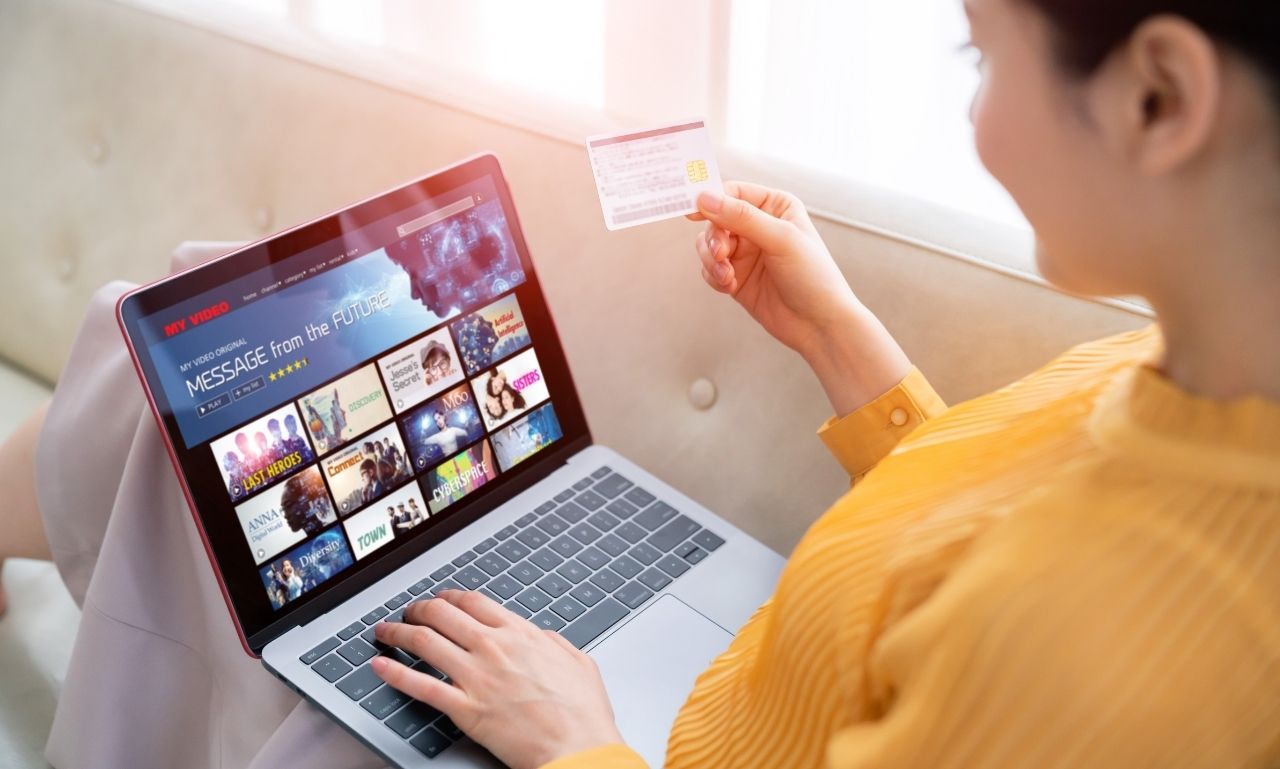
Why do customers prefer subscriptions over one-time purchases? The answer lies in how consumer expectations have evolved. People no longer focus solely on owning products. Instead, many prioritize convenience, flexibility, predictable costs, and ongoing value. As subscription-based businesses continue to expand across industries, from entertainment and software to groceries and fitness, customers increasingly see recurring services as a practical alternative to traditional buying models.
The Shift From Ownership to Access
Consumer behavior has changed dramatically over the past two decades. Previous generations often viewed ownership as the ultimate goal. Buying music meant purchasing CDs. Watching movies meant owning DVDs. Software required expensive licenses purchased outright.
Today, access often matters more than ownership.
Why Access Often Feels More Valuable Than Ownership
Many consumers care less about possessing products and more about using them whenever needed. Streaming services illustrate this perfectly. Instead of purchasing hundreds of movies individually, subscribers gain access to vast libraries for a manageable monthly fee.
The same pattern appears in software. Businesses and individuals increasingly prefer subscribing to platforms that provide continuous access rather than paying large sums upfront.
Ownership can also create burdens. Products become outdated, require maintenance, or lose value over time. Access-based services remove many of these concerns. Customers enjoy the benefits while providers handle updates, improvements, and support.
For many people, this arrangement simply feels more practical in everyday life.
Lower Upfront Costs Make Buying Easier
Price remains one of the strongest influences on purchasing decisions. Subscription models often succeed because they make products and services financially accessible.
Large one-time purchases can create hesitation, even when customers recognize the value being offered.
Small Recurring Payments Reduce Financial Pressure
A monthly payment of $10 or $20 feels much easier to manage than a single payment of several hundred dollars. The total long-term cost may be higher, but consumers frequently focus on immediate affordability.
This approach opens doors for customers who might otherwise delay or avoid a purchase entirely.
Software companies provide a clear example. Professional design, accounting, and productivity tools once required significant upfront investments. Subscription pricing made these products accessible to freelancers, startups, students, and small businesses.
Lower financial barriers encourage more people to try products. Once customers begin using a service regularly, they often discover value that justifies continued payments.
Convenience Plays a Major Role
Convenience has become one of the most valuable currencies in modern commerce. People are constantly looking for ways to simplify routines and reduce unnecessary tasks.
Subscription services excel because they remove friction from the buying process.
Automatic Renewals Eliminate Repeat Purchasing
Few consumers enjoy remembering when household products need replenishing. The same applies to renewing software licenses or reordering frequently used items.
Subscription services automate these tasks.
A customer receiving coffee deliveries every month never needs to remember to reorder. Pet owners using subscription deliveries for food and supplies avoid last-minute shopping trips. Streaming subscribers maintain uninterrupted access without repeatedly making purchasing decisions.
Convenience saves time and mental energy. Over time, that benefit becomes surprisingly valuable. Customers appreciate services that quietly solve problems without requiring constant attention.
Customers Like Predictable Monthly Expenses

Financial predictability affects purchasing behavior more than many businesses realize. Consumers often feel more comfortable with recurring costs that fit neatly into their monthly budgets.
Unexpected expenses can disrupt financial planning.
Budgeting Becomes Easier With Recurring Payments
Subscription fees provide consistency. Customers know exactly how much they will spend each month.
This predictability helps households manage expenses more effectively. Rather than facing occasional large purchases, they spread costs across the year.
The appeal becomes even stronger during periods of economic uncertainty. People often prefer stable, manageable expenses over unpredictable spending patterns.
Businesses benefit as well. Predictable billing cycles create transparency, reducing unpleasant surprises and helping customers maintain long-term relationships with the service.
A subscription may not always cost less overall, but predictable spending often feels easier to manage than large one-time payments.
Personalization Creates Stronger Customer Relationships
Modern consumers expect experiences tailored to their preferences. Subscription models are particularly effective because they allow businesses to gather ongoing customer insights.
Those insights can be used to create highly personalized experiences.
Tailored Experiences Increase Satisfaction
Streaming platforms recommend content based on viewing habits. Subscription boxes curate products based on customer preferences. Fitness apps adapt their recommendations based on users’ goals and activity levels.
Personalization makes customers feel understood.
Rather than offering generic experiences, subscription services can continually refine recommendations based on actual behavior. This improves satisfaction and encourages ongoing engagement.
Customers often remain loyal to services that consistently deliver relevant experiences. The more personalized a service becomes, the harder it can feel to replace with a competitor.
This creates a stronger connection than many traditional one-time purchases ever achieve.
Continuous Updates and Improvements Add Value
One-time purchases often provide a fixed experience. Once the transaction is complete, the relationship between customer and provider may end.
Subscriptions work differently.
Why Ongoing Enhancements Matter
Customers expect subscription services to evolve. New features, fresh content, improved functionality, and enhanced user experiences become part of the value proposition.
Software subscriptions regularly release updates that improve performance and security. Streaming platforms continuously expand content libraries. Membership services introduce new benefits to retain subscribers.
This ongoing development creates a perception of increasing value.
Customers feel that their payments contribute to a product that keeps improving rather than remaining stagnant. Even small enhancements can reinforce the belief that the subscription continues to justify its cost.
The sense of receiving something new over time helps maintain customer satisfaction and loyalty.
The Psychology Behind Subscription Loyalty
Human behavior often explains subscription success better than pricing strategies or marketing campaigns.
Subscriptions tap into several powerful psychological principles that influence decision-making.
Habits Make Subscriptions Harder to Replace
People naturally develop routines around products and services they use regularly.
A streaming service becomes part of evening entertainment. A meal delivery subscription becomes integrated into weekly planning. A productivity platform becomes central to daily work.
As these habits strengthen, canceling a subscription can feel inconvenient.
Consumers may hesitate to disrupt routines, even when alternatives exist. This phenomenon contributes significantly to subscription retention.
The longer customers remain subscribed, the more deeply services become woven into their lifestyles. Eventually, many subscriptions feel less like optional purchases and more like essential tools.
Exclusive Benefits Encourage Long-Term Membership
Successful subscription businesses rarely rely on their core offering alone. Many create ecosystems that reward loyalty and deepen customer engagement.
These additional benefits often become powerful retention tools.
Members Often Receive Perks Unavailable Elsewhere
Exclusive discounts, premium content, priority support, early access opportunities, and loyalty rewards make subscriptions more attractive.
Amazon Prime demonstrates this strategy effectively. Subscribers gain access to multiple benefits under a single membership. The combined value often exceeds what customers originally expected when joining.
Exclusive perks create a sense of belonging. Customers feel they are receiving treatment unavailable to non-members.
That feeling strengthens commitment and increases the perceived value of maintaining an active subscription.
The more benefits a membership includes, the more difficult it becomes for customers to justify canceling.
Why Businesses Are Investing Heavily in Subscription Models

The growth of subscriptions is not driven solely by customer demand. Businesses also recognize significant advantages in recurring revenue models.
These advantages influence how products and services are developed.
Recurring Revenue Supports Better Customer Experiences
Traditional businesses often focus heavily on acquiring new customers. Subscription businesses must focus equally on retaining existing ones.
Retention requires ongoing value.
Predictable revenue streams allow companies to invest in product development, customer support, infrastructure, and innovation. Instead of relying on occasional sales spikes, they can plan long-term improvements.
This benefits customers directly.
Companies that depend on subscriptions have strong incentives to keep users satisfied. Poor experiences lead to cancellations, while excellent experiences strengthen retention.
As a result, many subscription businesses place greater emphasis on customer success than companies operating purely through one-time sales.
Are Subscriptions Always Better Than One-Time Purchases?
Despite their popularity, subscriptions are not the perfect solution for every situation. Consumers should evaluate each purchase based on individual needs and usage patterns.
Sometimes ownership remains the smarter choice.
When One-Time Purchases Make More Sense
Products used infrequently often do not justify recurring payments. A specialized tool used once per year may be more economical as a one-time purchase.
Durable goods such as furniture, appliances, and certain equipment frequently provide long-term value without requiring subscriptions.
There is also the growing issue of subscription fatigue. Many consumers now juggle streaming services, software subscriptions, fitness memberships, cloud storage plans, meal deliveries, and various digital tools.
Over time, these recurring payments accumulate.
What begins as a collection of affordable subscriptions can become a significant monthly expense. Customers increasingly review their subscriptions and cancel those that no longer provide meaningful value.
The most successful subscription businesses understand this challenge. They work continuously to demonstrate relevance, improve experiences, and justify ongoing costs.
Conclusion
Why do customers prefer subscriptions over one-time purchases? The answer extends beyond simple convenience. Subscriptions align with modern expectations by offering affordability, flexibility, personalization, predictable expenses, and continuous value. They reduce purchasing friction while giving consumers access to products and services without large upfront commitments.
The popularity of subscriptions reflects a broader shift in consumer thinking. Many people now value experiences, access, and convenience more than ownership itself. While one-time purchases remain important for certain products, subscription models continue to attract customers because they fit naturally into modern lifestyles. As businesses improve personalization and deliver stronger ongoing value, subscriptions will likely remain a dominant force across countless industries.
Also Read: What Makes Customers Cancel a Subscriptions After the First Month?
FAQs
Subscription services offer convenience, predictable costs, and continuous access to products or content. These benefits match changing consumer expectations and encourage long-term engagement.
In many cases, yes. Recurring revenue creates stability, improves forecasting, and increases customer lifetime value compared to relying solely on one-time sales.
Subscription fatigue occurs when consumers feel overwhelmed by managing multiple recurring payments. This often leads to cancellations and more selective spending decisions.
Streaming entertainment, software, e-commerce, fitness, education, and personal care industries have experienced significant success with subscription-based business models.
