


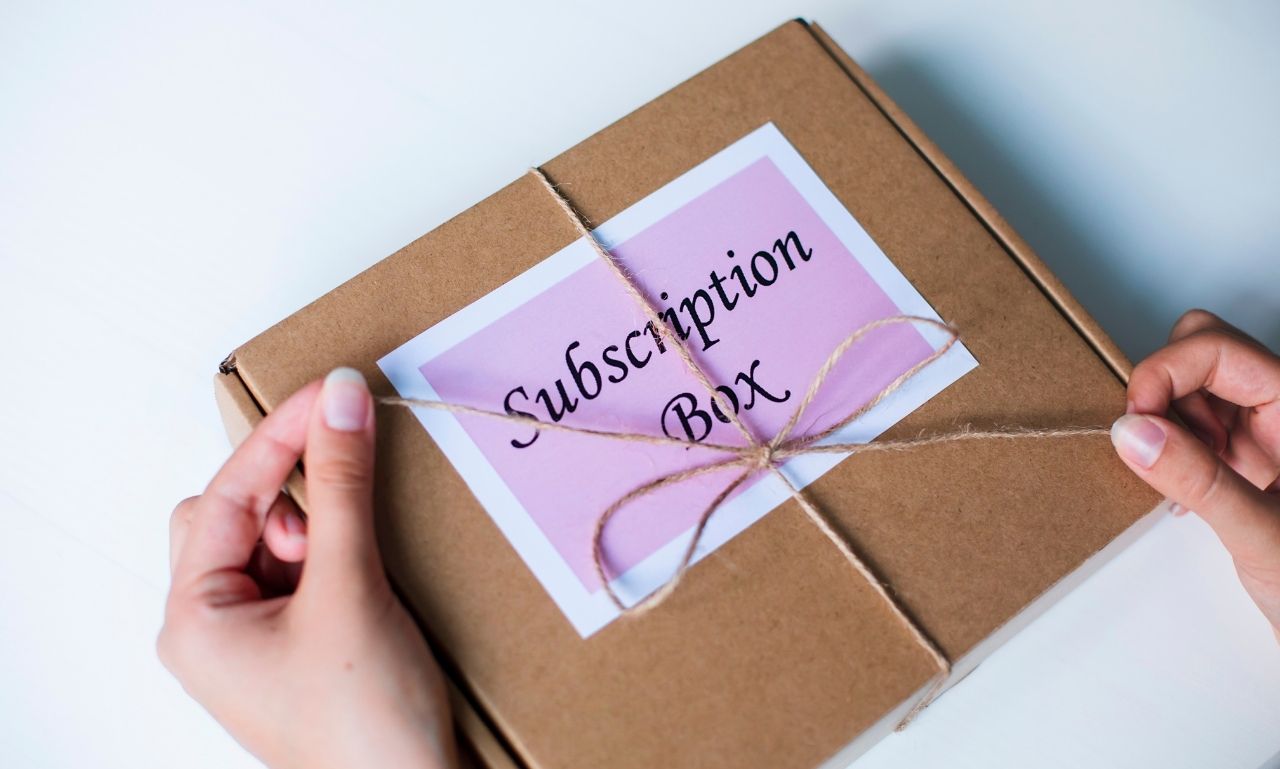
Subscription boxes have become a regular part of modern shopping habits. From beauty products and meal kits to pet supplies and books, consumers now receive curated products at their doorstep every month. This shift has raised an interesting question: how many subscription boxes does the average consumer have, and what does that number reveal about shopping behavior today?
The Average Number of Subscription Boxes Consumers Have
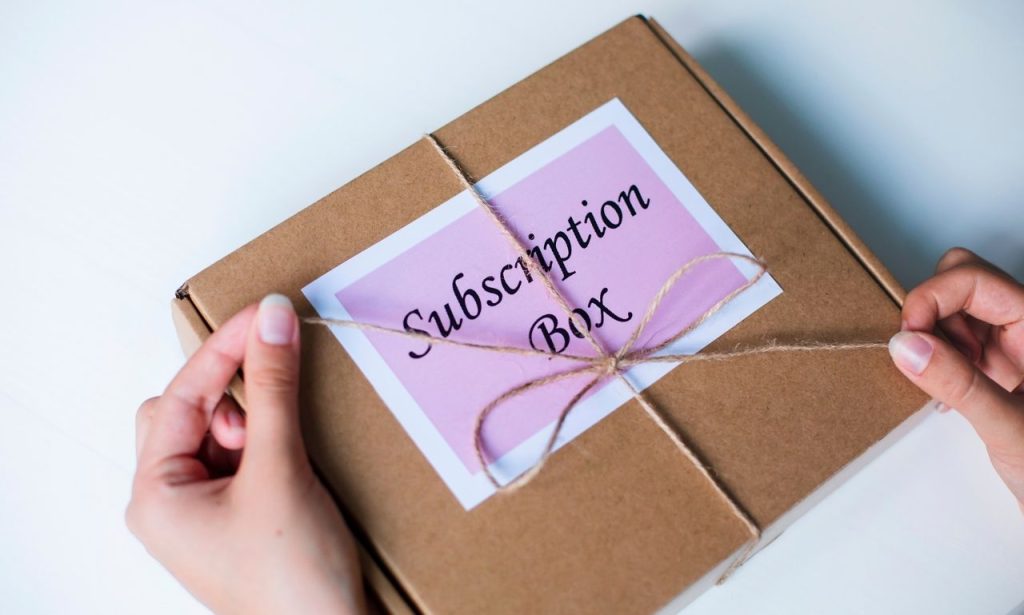
Industry research suggests that the average subscription box customer typically maintains between two and three active subscriptions at any given time. While some consumers subscribe to a single service, others manage several boxes across different categories.
The exact number varies by age, income, and lifestyle. Younger consumers often hold more subscriptions because they are more comfortable with recurring online purchases. Households with higher disposable income also tend to experiment with multiple services simultaneously.
Notably, subscription box customers rarely limit themselves to a single niche. A consumer might subscribe to a beauty box, a snack box, and a pet subscription at the same time. This pattern helps explain why the average remains above one subscription despite frequent cancellations.
Why Consumers Often Have Multiple Subscriptions
Subscription boxes satisfy different needs. One may provide convenience while another offers entertainment or product discovery.
Many consumers enjoy receiving products they would not normally purchase themselves. Others appreciate the time saved by automatic deliveries. As a result, subscriptions often complement rather than compete with each other.
A pet owner, for example, may subscribe to monthly pet supplies while also receiving a coffee subscription. Since these services serve different purposes, consumers see value in maintaining both.
How Subscription Boxes Became So Popular
Subscription commerce has expanded dramatically over the past decade. Companies discovered that customers enjoy predictable deliveries and personalized experiences.
Unlike traditional shopping, subscription boxes create anticipation. Customers often look forward to receiving a package each month, even when they do not know exactly what will be inside.
The growth of e-commerce also played a major role. Online shopping became easier, payment systems improved, and brands learned how to personalize recommendations using customer data.
The Appeal of Convenience and Discovery
Convenience remains one of the strongest selling points. Consumers no longer need to remember to reorder products they use regularly.
Discovery is equally important. Many subscription services introduce customers to new brands, products, or hobbies. This combination of practicality and surprise creates a unique experience that standard retail struggles to match.
How Much the Average Consumer Spends on Subscription Boxes
Most consumers spend between $20 and $100 per month on subscription boxes, depending on the number and type of services they use.
A single beauty box may cost less than $30 each month. Premium meal kits or specialty hobby boxes can exceed $100 monthly. When several subscriptions are combined, annual spending can become significant.
Many consumers underestimate their subscription expenses because payments occur automatically. A few modest subscriptions may seem inexpensive individually but add up over time.
The Hidden Cost of Subscription Fatigue
Subscription fatigue occurs when consumers accumulate too many recurring services. Eventually, they begin questioning whether they use every subscription enough to justify the cost.
This often leads to periodic subscription audits. Consumers review their recurring expenses and eliminate services that no longer provide value. Businesses closely monitor these behaviors because customer retention directly affects profitability.
Which Subscription Box Categories Are Most Popular
Not all subscription boxes attract the same level of demand. Certain categories consistently outperform others because they align with everyday consumer interests.
Beauty and personal care subscriptions remain among the most popular options. Customers enjoy discovering skincare products, cosmetics, and grooming essentials without having to visit stores.
Food and snack subscriptions also perform well. These services introduce consumers to unique flavors and specialty products from different regions.
Fast-Growing Subscription Categories
Several categories have experienced rapid growth in recent years:
- Pet subscription boxes
- Health and wellness products
- Coffee subscriptions
- Sustainable lifestyle boxes
- Hobby and craft subscriptions
Pet-related services have been particularly successful because owners frequently purchase recurring supplies and enjoy treating their animals to new products.
Which Age Groups Use Subscription Boxes Most
Millennials continue to represent one of the largest subscription box audiences. Their familiarity with digital services and online shopping makes recurring purchases feel natural.
Generation Z is also becoming a major force in the market. Many younger consumers view subscriptions as a convenient alternative to traditional retail shopping.
Older generations participate as well, though often with different priorities. They tend to focus on practical subscriptions rather than novelty-based services.
Why Younger Consumers Subscribe More Often
Younger shoppers value convenience and personalization. They are accustomed to streaming subscriptions, mobile apps, and automated services.
Subscription boxes fit naturally into these existing habits. The recurring payment model feels familiar, while curated products create a sense of customization that many consumers appreciate.
Why Consumers Sign Up for Subscription Boxes
The reasons behind subscription purchases extend beyond convenience. Emotional factors often influence purchasing decisions as much as practical benefits.
Many consumers enjoy the excitement of receiving a package. The anticipation creates an experience that traditional shopping rarely provides.
Others subscribe because they trust experts to select products on their behalf. This reduces decision fatigue and simplifies the shopping process.
Personalization Drives Customer Loyalty
Modern subscription companies invest heavily in personalization. Customers complete questionnaires about preferences, interests, and lifestyles.
The more accurately a company tailors its offerings, the more likely customers are to remain subscribed. Personalization helps transform a simple delivery service into an ongoing relationship between brand and consumer.
Why Consumers Cancel Subscription Boxes
Despite their popularity, subscription boxes face high cancellation rates. Consumer interests change, budgets shift, and expectations evolve.
Cost remains one of the leading reasons for cancellation. During periods of economic uncertainty, discretionary subscriptions are often among the first expenses consumers cut.
Another common issue involves product relevance. Customers lose interest when boxes repeatedly contain items they do not use.
Common Signs a Subscription Is Losing Value
Several warning signs often appear before cancellation:
- Products accumulate unused
- Deliveries become repetitive
- Monthly costs feel harder to justify
- Personal interests change
- Competing services offer better value
Successful subscription companies continually adapt their offerings to address these challenges.
Are Subscription Boxes Worth the Money?
The answer depends largely on individual circumstances. For some consumers, subscription boxes provide excellent value. For others, they become unnecessary expenses.
A subscription is often worthwhile when it replaces purchases that would occur anyway. For example, someone who regularly buys coffee may save both time and effort through a coffee subscription.
Value also increases when customers genuinely enjoy the discovery aspect. Receiving products that inspire new interests can justify costs beyond simple financial calculations.
When Subscription Boxes Make Sense
Subscription boxes often deliver the best value for:
- Enthusiasts pursuing specific hobbies
- Busy consumers seeking convenience
- Shoppers interested in product discovery
- Households with recurring product needs
Consumers who rarely use delivered items may struggle to justify the ongoing expense.
How Subscription Boxes Impact Consumer Shopping Habits

Subscription services influence purchasing behavior in several ways. Consumers often become more loyal to brands introduced through subscription boxes.
Many companies use subscriptions as customer acquisition tools. Once consumers discover a product they enjoy, they frequently purchase it directly from the manufacturer later.
This creates a powerful marketing channel that benefits both subscription providers and product brands.
The Shift Toward Recurring Commerce
Traditional retail relies on repeated purchasing decisions. Subscription commerce removes many of those decisions by automating the process.
As consumers become comfortable with recurring payments, businesses gain more predictable revenue streams. This trend extends beyond physical boxes and increasingly influences broader e-commerce strategies.
Future Trends in the Subscription Box Industry
The subscription box industry continues to evolve. Consumer expectations are rising, and companies must adapt to remain competitive.
Personalization will likely become even more sophisticated. Artificial intelligence and customer data analysis are already helping businesses create more relevant product selections.
Flexibility is another growing trend. Consumers increasingly prefer subscriptions that allow easy pausing, skipping, or customization.
Sustainability Is Becoming More Important
Environmental concerns are influencing purchasing decisions. Consumers pay closer attention to packaging materials, shipping practices, and product sourcing.
Subscription companies that embrace sustainable practices may gain a competitive advantage as environmental awareness continues to grow.
What the Average Number of Subscription Boxes Reveals About Consumers

The fact that many consumers maintain multiple subscription boxes reflects broader changes in shopping behavior. Convenience, personalization, and recurring commerce have become normal parts of daily life.
Consumers increasingly value experiences alongside products. Subscription boxes combine both elements by delivering useful items while creating anticipation and discovery.
As long as businesses continue providing genuine value, subscription services will remain an important segment of modern retail.
Conclusion
So, how many subscription boxes does the average consumer have? Most active subscription box users maintain between two and three subscriptions at a time, though individual habits vary widely. That number reflects more than simple purchasing behavior. It highlights a growing preference for convenience, personalization, and curated shopping experiences.
Subscription boxes continue to evolve as consumer expectations change. While some customers reduce subscriptions to manage costs, others embrace new services that align with their interests and lifestyles. The industry’s continued growth suggests that subscription commerce is no longer a passing trend but a lasting part of how many people shop today.
Also Read: Why Do People Forget They Have Subscriptions?
FAQs
Most studies indicate that active subscription box customers typically maintain two to three subscriptions at the same time.
Beauty and personal care boxes consistently rank among the most popular categories, followed by food, snacks, and meal kits.
The most common reasons include cost concerns, subscription fatigue, repetitive products, and changing personal interests.
Yes. The market continues to expand, driven by personalization, convenience, and increasing consumer acceptance of recurring purchases.
