


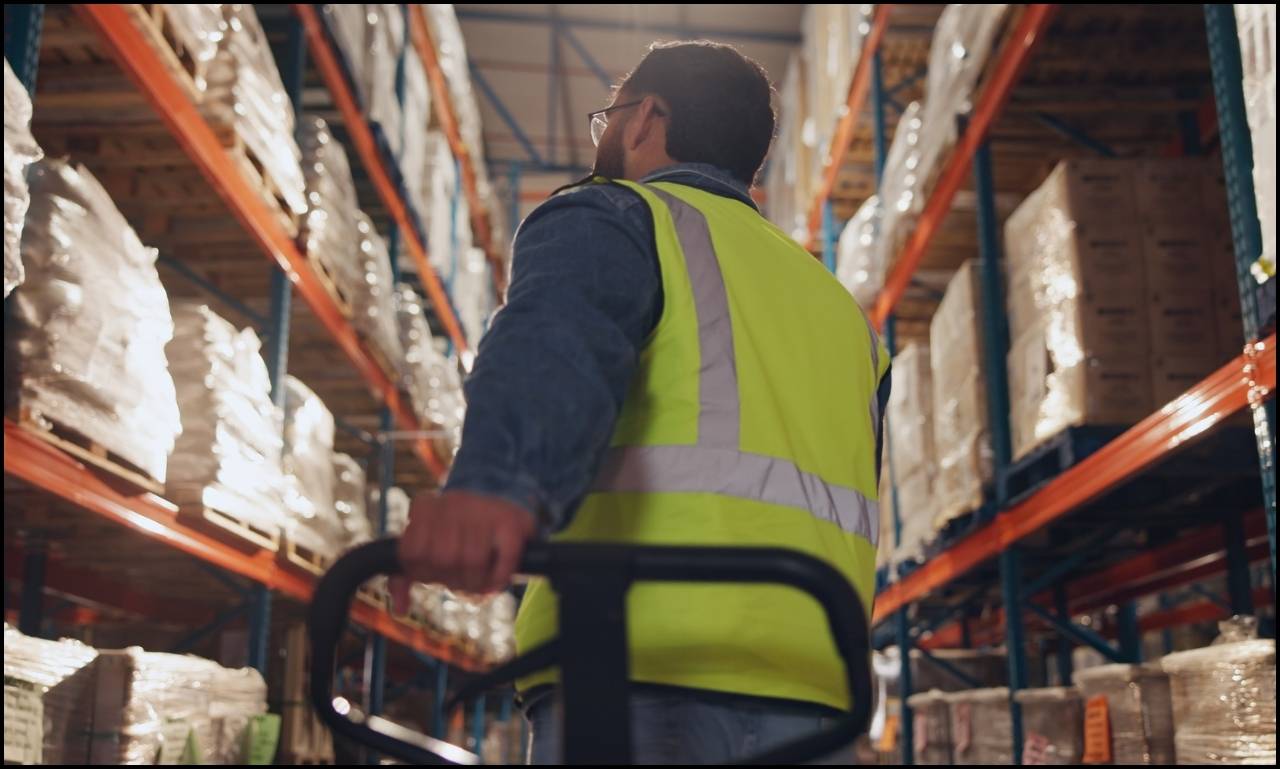
Pick the wrong supplier, and you’ll spend months putting out fires — refund requests, missing packages, customers who never come back. The supplier you choose shapes almost everything about how your store performs, and yet most people rush this decision. Here’s how to find reliable US dropshipping suppliers.
Why Domestic Suppliers Are Worth the Extra Cost
Overseas sourcing looks cheap until it isn’t. A $4 product that takes 22 days to arrive and shows up looking nothing like the listing photo will cost you far more in refunds and lost trust than a $9 product that ships in three days from a warehouse in Ohio.
US-based suppliers generally ship within two to five business days. That matters because customer expectations have been shaped by Amazon, and anything beyond a week starts generating support tickets. Beyond speed, domestic suppliers mean no customs delays, no surprise import fees, and return logistics that actually make sense.
There’s a catch though — and it trips up a lot of new sellers. Plenty of suppliers advertise themselves as US-based when their actual inventory ships from overseas fulfillment centers. The company might be registered in Delaware, but your customer’s order is leaving a warehouse in Shenzhen. Always ask specifically where orders ship from, not where the business is incorporated.
The Best Places to Find Reliable US Dropshipping Suppliers
Supplier Directories Are a Starting Point, Not a Final Answer
SaleHoo, Spocket, Worldwide Brands, Inventory Source — these platforms get recommended constantly, and for decent reason. They’ve already screened suppliers for basic legitimacy, which saves time compared to cold outreach into the unknown. SaleHoo alone lists over 8,000 suppliers and includes a research tool that shows demand and competition data by product, which is useful if you haven’t fully locked in your niche.
But a directory listing isn’t a quality guarantee. It means the supplier exists and passed a basic check. Whether they’re right for your specific product category, your margins, and your customers’ expectations — that still requires your own research. Use directories to build a shortlist of five to ten options, then dig into each one separately.
Spocket and Zendrop work differently from traditional directories. They connect directly to your store and automate order routing, which makes daily operations far less manual. The selection is more limited and prices are slightly higher, but for sellers who want to spend time on marketing rather than chasing orders, that tradeoff is often worth it.
Going Straight to the Manufacturer
This approach takes more effort upfront but frequently yields better results. Manufacturers can offer lower pricing, more product consistency, and — once you’ve built volume — private-label arrangements that make your store harder to copy.
The process is simpler than most people assume. Find manufacturers through industry trade publications, LinkedIn, or niche-specific B2B directories. Email or call them directly. Ask whether they have a dropship program, what their per-order fees look like, and what documentation they need to open an account. Most legitimate manufacturers appreciate the conversation because you’re potentially moving their products without them having to carry any retail risk.
Trade shows are another underused option. Events like ASD Market Week let you meet suppliers in person, handle actual product samples, and have real conversations about terms — the kind that don’t happen the same way over email.
Vetting a Supplier Before You Commit
Checking Credentials and Business Legitimacy
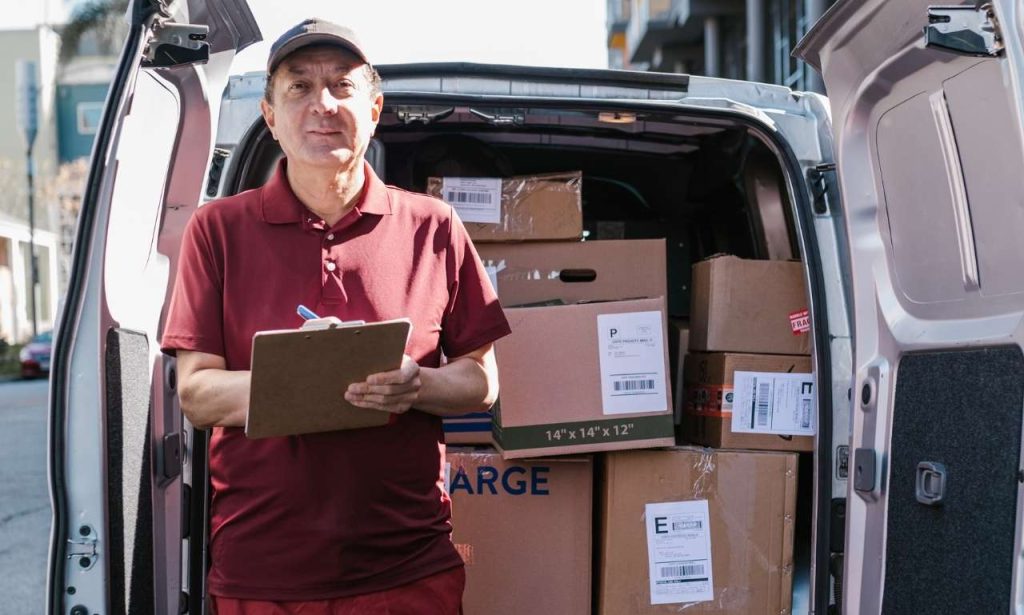
Request the supplier’s business license, tax ID, and a physical address you can verify. Cross-check their business registration through your state’s Secretary of State database — it takes five minutes and immediately weeds out anyone who isn’t operating a legitimate registered business.
After that, look them up on the Better Business Bureau, Trustpilot, and Google. A handful of complaints isn’t unusual for any business that handles large order volume. What you’re watching for is patterns — repeated mentions of the same problems, unresolved disputes, or a suspiciously empty review profile for a company that claims years of experience.
Ordering Samples Before You List Anything
This is the step that separates sellers who actually know their product from those who are guessing. Order samples of anything you plan to sell, and go through the full experience as a customer would. How long does delivery actually take versus what was promised? Is the packaging reasonable, or does it look like the item was wrapped in newspaper and prayed over? Does the product match the listing photos and description in any meaningful way?
A supplier who makes it difficult to order samples — or who charges an unreasonable amount for them — is showing you something important about how they operate. Good suppliers welcome sample orders because they’re confident in what they’re sending.
Testing Communication Before There’s a Problem
Email the supplier with detailed questions about their shipping process, return policy, and how they handle out-of-stock items. What you’re measuring is response time and quality. A supplier who replies within a few hours with clear, specific answers is a different business than one who sends a vague template response three days later.
This matters more than most sellers think. When a customer’s order is lost or arrives damaged, your ability to resolve it quickly depends entirely on your supplier’s responsiveness. If they’re slow before you’ve given them any business, they’ll be slower once they’ve got your account on autopilot.
Red Flags That Should Make You Walk Away
Legitimate wholesale suppliers don’t charge monthly fees just to browse their catalog. Some platforms do charge for automation tools, integrations, or curated directories — and that’s a different conversation — but a supplier asking for an ongoing access fee to show you products is unusual and worth questioning.
Be particularly cautious about any supplier who sells the same products directly to retail consumers. That creates a direct conflict: they’re competing with you for the same customers, and they’ll always be able to undercut your pricing because they’ve removed the middleman. You, in this arrangement, are the middleman.
Pricing that seems dramatically below market rate is rarely good news. It usually points to counterfeit goods, poor quality materials, or a business that isn’t operating legitimately. Combine suspiciously low prices with thin contact information and no verifiable address, and you’ve got a situation worth avoiding entirely.
Questions Worth Asking Before You Sign Anything
Most dropshippers skip the conversation phase entirely and regret it. Before formalizing any supplier relationship, get answers to these directly:
Do they have a formal dropship program with documented terms, or are they informally fulfilling orders? What’s the realistic processing time before an order ships — not just the transit estimate? Do they provide live inventory feeds that sync with your store? If a product goes out of stock, how and how quickly do they notify you? Who absorbs the cost when an order arrives damaged or goes missing entirely?
If you plan to sell any branded products, confirm in writing that the supplier is an authorized distributor. The legal exposure if they’re not sits with you, not them — your customer’s contract is with your store, and selling counterfeit or unauthorized goods without knowing it doesn’t eliminate your liability.
Negotiating Terms and Building a Long-Term Relationship

Supplier pricing isn’t as fixed as it looks. Once you’re generating consistent order volume, it’s reasonable to ask for reduced per-order handling fees, better shipping rates, or custom packaging. Most suppliers expect some negotiation from serious sellers and are more responsive to it than you’d think.
Pay invoices on time, every time. It sounds basic, but suppliers quietly prioritize accounts that don’t cause administrative friction. Prompt payment builds goodwill that tends to surface in useful ways — faster fulfillment during busy periods, more flexibility on returns, advance notice when inventory is running low.
Don’t rely on one supplier for anything critical to your store. Supply chain disruptions happen. When inventory runs low and a supplier has to choose whose orders to prioritize, small merchants with no volume leverage are rarely at the top of that list. Having a backup option for your best-selling products isn’t pessimism — it’s just sound operating practice.
Conclusion
Finding reliable US dropshipping suppliers requires patience that most people aren’t willing to give it. The actual process — researching directories, contacting manufacturers, ordering samples, checking credentials, testing communication — takes time that feels unproductive when you’re eager to start selling. But the stores that build something durable are almost always the ones that did this work early, before it became expensive not to.
Also Read: Top 10 eCommerce Fulfillment Companies for Marketplaces
FAQs
Register your business and obtain a reseller certificate or sales tax ID. Most suppliers require proof of a legitimate business before approving a wholesale or dropshipping account.
Wholesalers sell products in bulk for you to store and ship. Dropshipping suppliers ship orders directly to your customers on your behalf.
Yes, but only if your supplier is an authorized distributor. Selling branded products from unauthorized sources can lead to trademark infringement issues.
It’s best to have at least two suppliers per product category. This reduces the risk of stock shortages and fulfillment disruptions.
