



Ask any successful marketplace seller what changed their business, and many will point to fulfillment. Not advertising. Not product sourcing. Not even pricing. Getting orders out the door quickly and accurately often has a bigger impact than sellers realize. As marketplaces continue raising delivery expectations, fulfillment has become a competitive advantage rather than a back-office function. A decade ago, many merchants packed orders from spare bedrooms and garages. That model became difficult once sales spread across Amazon, Walmart Marketplace, eBay, Etsy, TikTok Shop, and other channels. Managing inventory across several platforms while meeting delivery promises is a different challenge altogether.
Why Fulfillment Matters More Than Ever for Marketplace Sellers

Selling on marketplaces is largely a game of trust. Buyers rarely know the seller. They trust the marketplace instead. If a package arrives late or an item goes missing, that trust quickly disappears.
Fast Shipping Influences More Than Customer Satisfaction
Many sellers focus on product listings and advertising while overlooking fulfillment performance. Yet shipping speed affects several important metrics. Faster delivery can improve seller ratings, increase repeat purchases, and reduce customer complaints.
Marketplaces also reward operational reliability. Consistent fulfillment performance often contributes to stronger account health and better visibility in search results. That advantage becomes more noticeable during peak shopping seasons when competition intensifies.
A seller with an excellent product but poor fulfillment often struggles to maintain momentum. Meanwhile, a competitor offering similar products can gain market share simply by delivering faster and more consistently.
What Makes a Great eCommerce Fulfillment Company
Not all fulfillment providers serve the same purpose. Some specialize in helping small businesses ship a few hundred orders each month. Others manage millions of orders for established brands.
Features That Separate Top Providers From Average Ones
The strongest fulfillment companies typically share several characteristics. They maintain strategically located warehouses, integrate with major marketplaces, and provide clear inventory visibility.
Technology also plays a significant role. Sellers need accurate stock levels, real-time order tracking, and reporting tools that help identify potential problems before they become expensive mistakes.
Customer support deserves equal attention. When inventory issues arise during a busy sales period, responsive support often matters more than a sophisticated dashboard.
ShipBob
Few companies have expanded as aggressively in recent years as ShipBob. The company has become a familiar name among growing eCommerce brands looking to reduce delivery times without building their own warehouse network.
Why Growing Brands Often Choose ShipBob
ShipBob’s biggest strength is distribution. Inventory can be spread across multiple fulfillment centers, allowing products to reach customers faster. The company also offers useful forecasting tools that help merchants avoid stock shortages.
Brands moving beyond startup status often find ShipBob appealing because the platform scales well as order volumes increase. Rather than changing providers every few years, businesses can continue growing within the same system.
Amazon FBA
No discussion about marketplace fulfillment would be complete without Amazon FBA. For sellers focused heavily on Amazon, it remains one of the most influential fulfillment options available.
The Advantage of Prime Eligibility
Prime eligibility remains Amazon FBA’s biggest selling point. Many shoppers actively filter results for Prime products, making fast delivery almost a requirement in certain categories.
There are trade-offs, however. Storage fees can become expensive, particularly for slow-moving inventory. Sellers also surrender a degree of control over packaging and customer interactions.
Even with those limitations, Amazon FBA continues to dominate because it solves one of the most difficult challenges in online retail: earning buyer confidence at scale.
Flexport Fulfillment
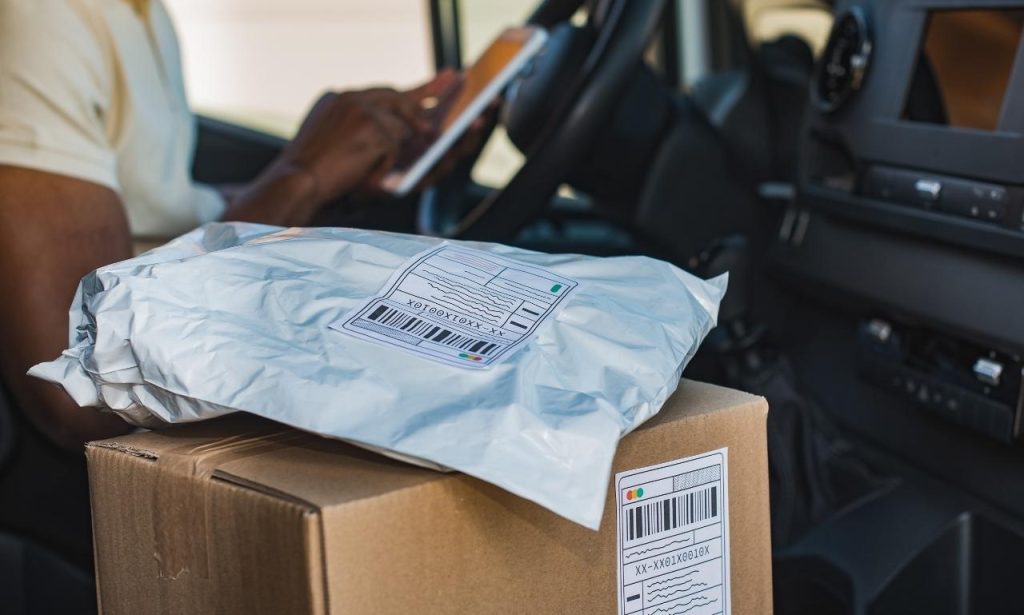
Flexport entered the fulfillment conversation with significant momentum after integrating Deliverr’s operations into its broader logistics ecosystem.
A Strong Option for Multi-Channel Sellers
One challenge marketplace merchants frequently encounter involves inventory fragmentation. Products sit in one warehouse while orders arrive from multiple channels.
Flexport addresses this problem by combining fulfillment capabilities with wider supply chain visibility. Businesses can monitor inventory movement from manufacturing through final delivery.
For sellers managing both domestic and international operations, that level of coordination can simplify what would otherwise be a complicated process.
ShipMonk
ShipMonk built much of its reputation by serving businesses that outgrew basic fulfillment solutions but weren’t ready for enterprise-level complexity.
Flexibility Remains Its Biggest Strength
Many fulfillment providers work best within narrow operating models. ShipMonk tends to be more adaptable.
Subscription businesses, direct-to-consumer brands, and marketplace sellers often operate under different requirements. ShipMonk’s platform accommodates those differences reasonably well.
The company also invests heavily in automation, helping merchants reduce manual tasks that consume valuable time as order volumes increase.
Red Stag Fulfillment
Not every product fits neatly into standard fulfillment workflows. Large, heavy, and fragile items create challenges that many providers prefer to avoid.
Built for Difficult-to-Ship Products
Red Stag Fulfillment carved out a niche by focusing on products that other fulfillment companies sometimes struggle with.
Businesses selling furniture, exercise equipment, electronics, or oversized goods often encounter shipping complications that smaller items avoid. Damage claims, handling issues, and dimensional shipping costs can quickly erode profit margins.
Red Stag’s specialized approach helps reduce those risks through tailored warehouse processes and quality controls.
ShipHero
Some sellers prioritize visibility above everything else. They want detailed information about inventory movement, order status, and warehouse performance.
Technology Drives the Experience
ShipHero positions itself as both a fulfillment provider and warehouse management technology company.
The platform offers detailed reporting capabilities that appeal to data-driven businesses. Rather than simply shipping orders, the system helps merchants understand what is happening behind the scenes.
That transparency can be valuable during periods of rapid growth when inventory mistakes become increasingly expensive.
ShipNetwork
Formerly known as Rakuten Super Logistics, ShipNetwork remains a significant player within the fulfillment industry.
Focused on Delivery Speed
Consumers have become accustomed to receiving products within two days. In some categories, anything slower feels outdated.
ShipNetwork’s warehouse distribution strategy is designed around that reality. By positioning inventory closer to customers, the company helps sellers reduce transit times without dramatically increasing shipping expenses.
For marketplace merchants competing against larger brands, that advantage can be meaningful.
eFulfillment Service
Many small businesses hesitate to outsource fulfillment because of cost concerns. Long-term contracts and minimum order requirements often create barriers.
A Practical Choice for Smaller Operations
eFulfillment Service takes a different approach. The company has built much of its customer base by serving startups and smaller merchants.
Businesses can access professional fulfillment without committing to high monthly volumes. That flexibility appeals to entrepreneurs who are still testing products or exploring new marketplaces.
It offers a useful stepping stone between self-fulfillment and larger fulfillment networks.
Fulfillrite
Customer service remains one of the most overlooked aspects of fulfillment. Technology matters, but responsiveness often becomes critical when problems arise.
A Reputation Built on Accuracy
Fulfillrite consistently receives attention for its emphasis on order accuracy and client communication.
The company works particularly well for smaller brands that want direct access to support teams rather than navigating layers of corporate bureaucracy.
While larger providers focus on scale, Fulfillrite’s appeal often comes from its more personalized approach.
Cart.com Fulfillment
Cart.com has expanded rapidly through acquisitions and infrastructure investments, transforming itself into a serious fulfillment contender.
More Than Just Order Fulfillment
One reason Cart.com attracts attention is its broader ecosystem. Beyond fulfillment, the company offers tools related to commerce operations and growth management.
For brands seeking a unified solution rather than multiple software vendors, that integrated model can reduce complexity.
As online retail becomes increasingly fragmented across channels, solutions that centralize operations are attracting greater interest.
How to Choose Among the Top 10 eCommerce Fulfillment Companies for Marketplaces
There is no universal winner. The right fulfillment partner depends on the business itself.
Matching Providers to Business Goals
A startup selling handmade products on Etsy has different needs than a brand shipping thousands of Amazon orders each day. Product size, sales volume, international expansion plans, and customer expectations all influence the decision.
Many sellers make the mistake of choosing based solely on price. While cost matters, fulfillment mistakes often cost more than fulfillment fees.
A slightly more expensive provider that reduces delivery delays and inventory errors may generate greater long-term value.
Conclusion
The top 10 eCommerce fulfillment companies for marketplaces each solve different problems. Amazon FBA dominates Amazon-focused operations. ShipBob and ShipMonk appeal to growing brands. Red Stag handles oversized products exceptionally well. Flexport brings supply chain visibility into the equation, while companies like Fulfillrite and eFulfillment Service cater to businesses seeking a more personalized experience.
The best fulfillment partner is rarely the biggest or the cheapest. It is the provider that aligns with your products, customers, growth plans, and operational requirements. Sellers who make that choice carefully often discover that fulfillment becomes one of their strongest competitive advantages rather than a daily source of frustration.
Also Read: 7 Best Practices for Faster and Frictionless Payments
FAQs
Amazon FBA remains the most popular choice for sellers whose primary sales channel is Amazon because of Prime eligibility and marketplace integration.
Costs vary based on storage space, order volume, product size, shipping destinations, and return processing requirements.
Yes. Most leading providers integrate with Amazon, Walmart Marketplace, eBay, Etsy, Shopify, and several other sales channels.
Many businesses begin outsourcing once order volumes become difficult to manage internally or when shipping performance starts affecting customer satisfaction.
